-

Roth IRAs for Retirees
Roth IRAs can be very useful for retirees in terms of medicare premiums, estate planning and other benefits.
-
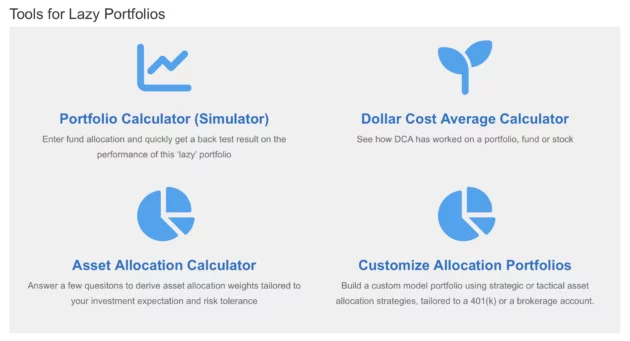
Lazy Portfolios Aren’t Lazy in Growing Wealth
In this issue:
- Latest in Retirement Savings & Personal Finance: Golden Rule and The Roth IRA Evangelist
- Lazy Portfolios Aren’t Lazy in Growing Wealth
- Tools & Tips: Investment Arithmetic
- Market Overview
-

Lazy Portfolios in Different Market Conditions
Understanding how lazy portfolios perform under different circumstances and concepts like maximum drawdown , rolling returns , and asset allocatio can help you navigate through various market cycles.
-

Tax-Efficient Lazy Portfolios
Lazy portfolio tax strategy can help to enhance after-tax returns for taxable investment accounts. While tax-deferred accounts like IRAs or 401(k)s eliminate immediate tax concerns, taxable accounts require careful consideration of tax efficiency to maximize long-term wealth accumulation.
-

Lazy Portfolios for Retirement Investing
For retirement investors, lazy portfolios can serve as a good tool for their IRAs, 401(k) and taxable investment accounts. This article discusses how to utilize lazy portfolios for these retirement investing accounts.
-
How to Implement a Lazy Portfolio
Implementing a lazy portfolio doesn’t require advanced knowledge or constant attention. Whether you choose mutual funds or ETFs, rebalance annually or less frequently, or tweak allocations based on changing needs, the principles remain the same: keep costs low, stay diversified, and let time work in your favor.
-

What Are Lazy Portfolios?
Investing can be intimidating. It’s a complex and time-consuming endeavor. This is especially true for beginners. , Lazy portfolios offer an appealing solution for this group of people. A lazy portfolio is a straightforward investment strategy designed to require minimal effort and oversight while aiming to deliver solid long-term returns.
-

IRAs as One of the Emergency Fund Sources
In this issue:
- Latest in Retirement Savings & Personal Finance: Back-and-forth Tariff Policies, Stock Market Swings, and Low Retirement Savings Rates
- IRAs as One of the Emergency Fund Sources
- The Gotcha in Maximum Solo 401(k) or SEP IRA Contribution Limits
- Market Overview
-
How to Borrow From an IRA?
There are several ways to take money out for short-term emergency purposes. This article explores some of those options.
-
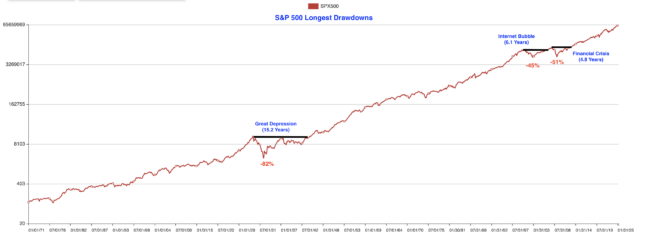
Special Issue: Staying the Course Amid Market Turmoil
In this special issue:
- Latest in Retirement Savings & Personal Finance: Market Turmoil, Majority of Americans Invest in Stocks, …
- Staying the Course Amid Market Turmoil
- Tools & Tips: Longest S&P 500 Losses (Drawdowns)
- Market Overview
-

A Step-by-Step Guide to Finding Your Old 401(k) Account
If you’ve lost track of an old 401(k) account due to job changes, mergers, or simply forgetting about it, don’t worry—there are several steps you can take to locate your funds. Whether your former employer was a large corporation like Bloomberg L.P. or a smaller company, the process remains largely the same. Below is a detailed guide to help you find your forgotten 401(k). 1. Gather Your Information Before diving into the search, gather as much relevant information as possible to streamline the process. 2. Check Your Old Records Your personal records may hold valuable clues to locating your old 401(k). In case you don’t have old records or simply have incomplete information, you can utilize MyPlanIQ’s comprehensive database of retirement plans to search for your old plans. We have one of the most comprehensive retirement plan databases, which even includes some old plans that have ceased to exist. You can visit the MyPlanIQ Retirement Plan Search/Browse page. If you find that the contact information is no longer valid, it’s likely your old company might have been acquired or ceased operations. You can find more information by searching Google using phrases like “ACME acquired,” “ACME Inc. merged,” or “ACME Inc. bankrupt.” These searches will provide more clues on how to track down the old company. 3. Contact Former Employers Your former employer’s HR department is often the first point of contact when searching for a lost 401(k). 4. Use Online Resources Several online databases and services specialize in helping individuals locate lost retirement accounts. 5. Utilize Financial Institutions Sometimes, old 401(k) accounts are transferred to financial institutions or custodians after a company dissolves or merges. 6. Explore Additional Options If the above steps don’t yield results, consider these additional strategies: What to Do Once You Find Your Old 401(k)? Once you’ve located your old 401(k), you’ll need to decide what to do with it. Here are some options: By following these steps, you can successfully locate and reclaim your forgotten 401(k) account. Remember, the key is persistence and thoroughness—retirement accounts can easily slip through the cracks, but they’re never truly lost forever. It’s your money, you should claim it back!
-

How Paying Credit Card Interest Often Hurts Your Credit Score
It turns out that the number one mistake people make is that they mistakenly think they need to build up their credit card balances and then pay interest to gradually boost their credit scores.This couldn’t be further from reality!
-
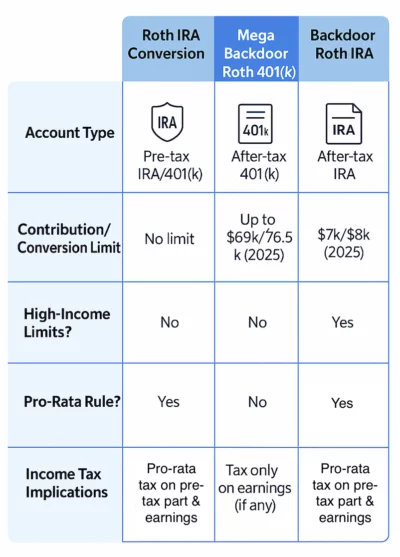
The ABCs of Roth Conversions: Backdoor, Mega Backdoor, and More
In this issue:
- Latest in Retirement Savings & Personal Finance: Tariff Liberation Day, Beefing Up Emergency Savings, and Consumer Confidence at Its Lowest
- The ABCs of Roth Conversions: Backdoor, Mega Backdoor, and More
- Tools & Tips: Social Security Income Calculation Infographic
- Market Overview
-
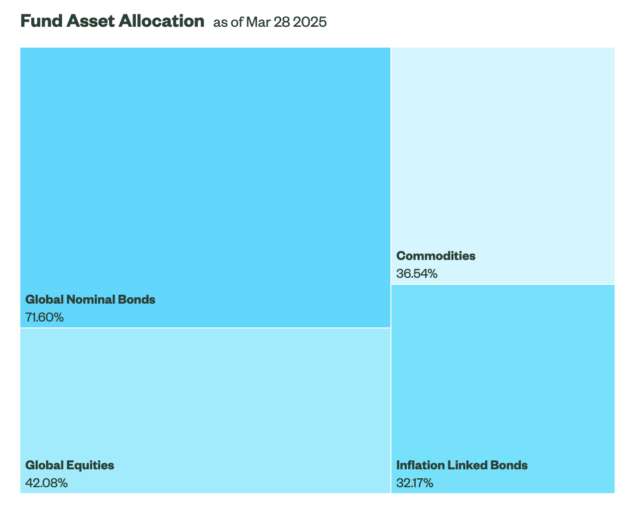
April 2025 MyPlanIQ Portfolio Update
In this issue:
- 1970s Redux: Why the Smithsonian Era Feels Strangely Familiar in 2025
- Fund Analysis: All Weather ETF ALLW
- Economic & Market Indicators
- Model Portfolios
- Funds to Watch
- Market Overview
-
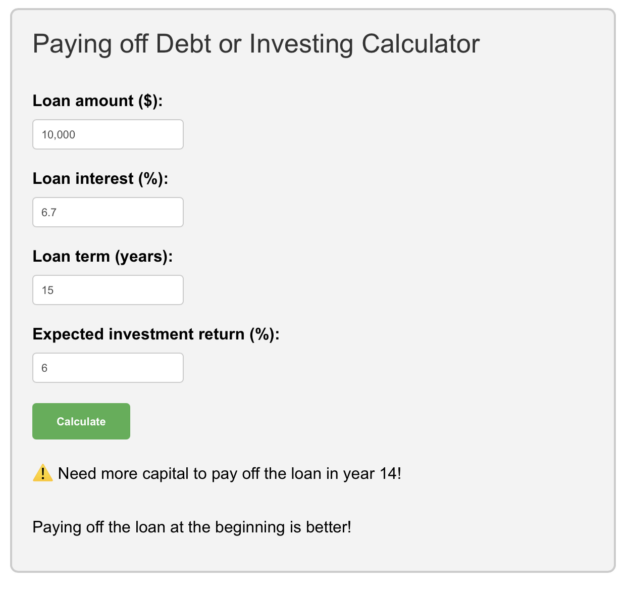
Paying Off Debt or Funding Retirement? How to Decide When Every Dollar Counts
In this issue:
- Latest in Retirement Savings & Personal Finance: 401(k) Millionaires Save More, Spring Financial Cleaning
- Paying Off Debt or Funding Retirement? How to Decide When Every Dollar Counts
- Paying off Debt or Investing Calculator
- Market Overview
-
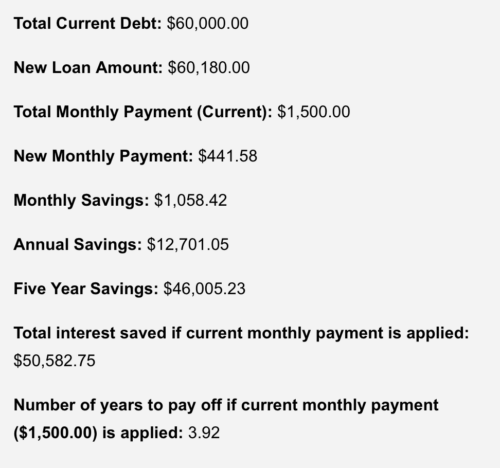
The Right Way to Withdraw from Your 401(k) Without Regret
In this issue:
- Latest in Retirement Savings & Personal Finance: $1.5 Million’s Retirement Mileage Across Various States, Therapy Needed in Market Turmoil
- The Right Way to Withdraw from Your 401(k) Without Regret
- Credit Card Debt Consolidation Calculator
- Market Overview
-

Retirement Plan Contribution Limits in 2025
Comprehensive retirement plans (401(k), 403(b, 457(b), Solo 401(k), SEP IRA, SIMPLE IRA, IRA, Roth IRA, TSP, HSA etc.) contribution limits for 2025
-

Need to Withdraw From Your 401(k)? Follow This Order: Hardship Withdrawal, 401(k) Loan, and Penalty Withdrawal
Need to tap your 401(k) savings, follow the following order: Hardship Withdrawal, 401(k) Loan, and, as a last resort, a 401(k) withdrawal with penalties.
-
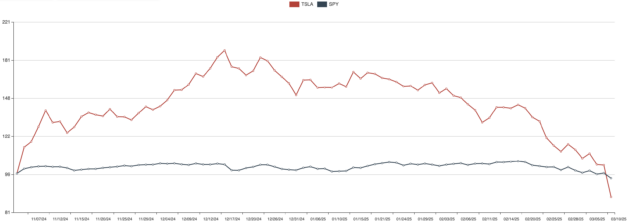
Maximize Your Cash Returns
In this issue:
- Latest in Retirement Savings & Personal Finance: Inflation Pressure and 401(k) as Rainy-Day Fund
- Maximize Your Cash Returns
- Good Funds: Capital Group ETFs
- Market Overview
-
March 2025 MyPlanIQ Portfolio Update
In this issue:
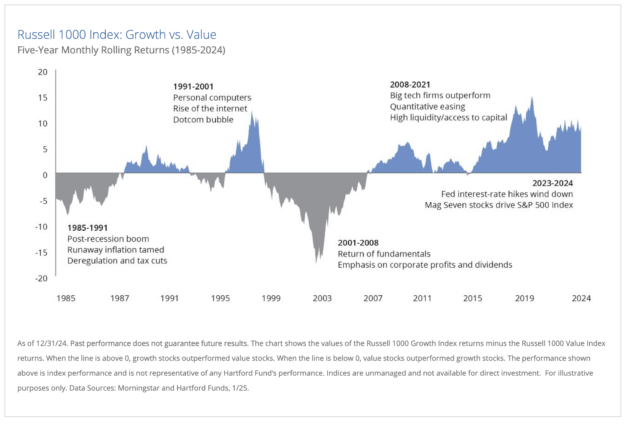
- Growth vs. Value: Late Stage and Early Stage of a Bull Market
- Fund Analysis: CLO Bond Funds
- Economic & Market Indicators
- Model Portfolios
- Funds to Watch
- Market Overview
