-
Stock Compensation 101: How People Build Wealth (or Blow It)
In this issue:
- Latest in Retirement Savings & Personal Finance: Review and Get Rid of Your Unused Subscriptions, Private Equity & Crypto Investments in Your Retirement Accounts, Germany’s Early Start Pension
- Stock Compensation 101: How People Build Wealth (or Blow It)
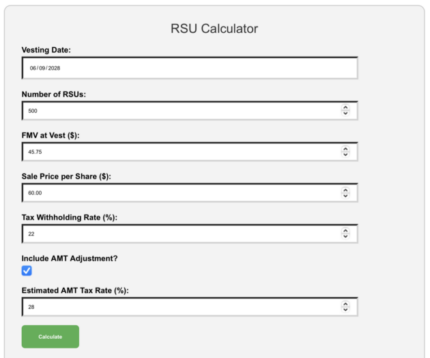
- Tools & Tips: RSU Calculator
- Market Overview
-

Retirement Plan Contribution Limits in 2024
2024 Retirement Plan Contribution Limits 1. 401(k), 403(b), and 457(b) Plans Employee Contributions: Up to $23,000 (under age 50) Catch-up contribution: $7,500 (ages 50+) Total Combined Limit (Employee + Employer): $69,000 Roth Options: Available for 401(k), sometimes for 403(b) and 457(b) Plan Details: 401(k): Primarily for for-profit companies; includes Roth (after-tax) options. 403(b): For public schools and nonprofits; Roth-style options less common. 457(b): For state/local government and some tax-exempt organizations; Roth availability varies. 2. Solo 401(k) and SEP IRA Solo 401(k): For self-employed individuals/business owners without employees.
- Employee contributions: $23,000, plus $7,500 catch-up (ages 50+)
- Employer contributions: up to 25% of compensation
- Total combined limit: $69,000 or 25% of compensation, whichever is less
SEP IRA: Employer contributes up to 25% of compensation, up to $69,000. No catch-up contribution. 3. SIMPLE IRA
- Employee contribution: up to $16,500
- Catch-up contribution: $3,500 (50+)
- Employer must match dollar-for-dollar up to 3% of employee salary
- Immediate vesting
4. Traditional and Roth IRAs
- Annual contribution: $7,000
- Catch-up: additional $1,000 (50+)
Traditional IRA: Pre-tax contributions, taxable upon withdrawal Roth IRA: After-tax contributions, tax-free withdrawals 5. Thrift Savings Plan (TSP)
- Federal and uniformed services employees only
- Employee contributions: up to $23,000 (under age 50), plus catch-ups ($7,500 at 50+)
- Employer matches up to 5% of salary
- Total Combined Limit (Employee + Employer): $69,000
- Pre-tax (traditional) and Roth contributions allowed
6. Payroll Deduction IRA
- Annual limit: $7,000; catch-up of $1,000 (age 50+)
- Pre-tax or Roth contributions
- No employer matching
7. Health Savings Account (HSA)
- Individual coverage: $4,150
- Family coverage: $8,300
- Catch-up contribution: additional $1,000 for age 55+
- Must have a high-deductible health plan
- Tax-free growth; penalty-free medical withdrawals; penalty-free non-medical withdrawals after age 65 (taxable)
8. Self-Directed IRA (SDIRA)
- Contribution limits same as IRAs ($7,000 + $1,000 catch-up age 50+)
- Allows alternative investments (real estate, precious metals, crypto)
- Requires IRS-approved custodian
9. Nondeductible IRA
- Same limits as traditional IRAs ($7,000 + $1,000 catch-up age 50+)
- Contributions not tax-deductible; earnings taxable at withdrawal
10. Annuities and Pension Plans (Brief Overview)
- Annuities: Insurance-based retirement products, providing guaranteed income. High fees, limited liquidity.
- Pension Plans: Employer-funded defined-benefit plans providing guaranteed lifetime income. Limited investment control.
11. Flexible Spending Account (FSA) Limits for 2024
- The maximum employee contribution to a health care FSA for 2024 is $3,200.
- If the FSA plan allows for carryover, the maximum amount that can be carried over to 2025 is $640.
- For Dependent Care FSAs, the maximum remains $5,000 per household (single or married filing jointly) or $2,500 if married and filing separately.
12. Health Savings Account (HSA) Limits for 2024 Coverage Type 2024 Contribution Limit Catch-Up (Age 55+) Minimum Deductible Out-of-Pocket Max Self-only $4,150 +$1,000 $1,600 $8,050 Family $8,300 +$1,000 (per eligible spouse, each in own HSA) $3,200 $16,100
- Individuals age 55 or older can contribute an additional $1,000 as a catch-up contribution.
- HSA contributions can be made until the tax filing deadline (April 15, 2025, for tax year 2024).
- To be eligible for HSA contributions, you must be enrolled in a high-deductible health plan (HDHP) meeting the minimum deductible and out-of-pocket maximum requirements above.
-
How to Take Advantage of Your ESPP (Employer Stock Purchase Plan)
In this issue:
- Latest in Retirement Savings & Personal Finance: Workplace Benefits like Flexible Spending & Telemedicine, AI Taking over Jobs?
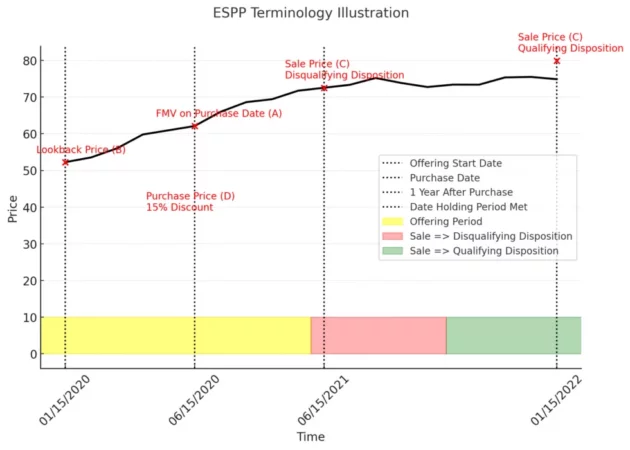
- How to Take Advantage of Your ESPP (Employer Stock Purchase Plan)
- Tools & Tips: ESPP Tax and Cost Basis Calculator
- Market Overview
-
June 2025 MyPlanIQ Portfolio Update
In this issue:
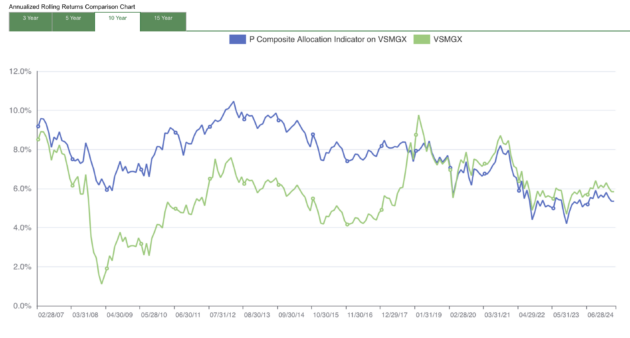
- MyPlanIQ Composite Allocation Indicator & Applications
- Fund Analysis: Factor Funds & Healthcare Industry Trend
- Economic & Market Indicators
- Model Portfolios
- Funds to Watch
- Market Overview
-
How to Benefit from Your ESPP (Employer Stock Purchase Plan)
This article explains how to benefit from your ESPP (Employer Stock Purchase Plan) by looking at both short and long terms.
-
Simple 401(k) Investment Guide
In this issue:
- Latest in Retirement Savings & Personal Finance: College Education Affordability Declined, Rising Debt Puts Your 401(k) Retirement Savings in a Pickle
- Simple 401(k) Investment Guide
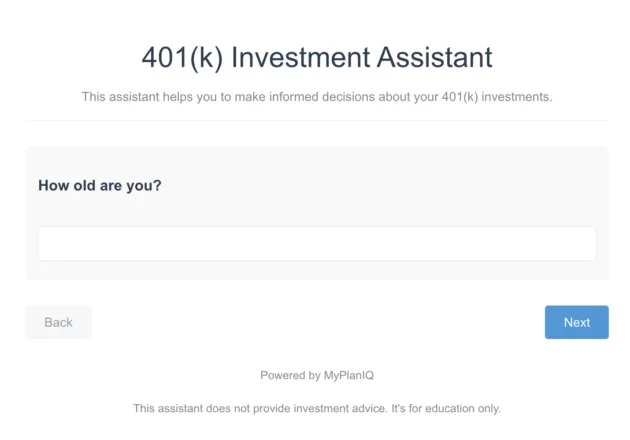
- Tools & Tips: 401(k) Investment Assistant
- Market Overview
-

Why Actively Managed Bond Funds Outperform Index Funds More Often Than Stocks
Multiple research results now point to what seems like a consistent pattern: active bond funds tend to outperform their passive peers more often than stock funds do.
-

Income Growth, Historical 401(k) Contribution Limit Data
In this issue:
- Latest in Retirement Savings & Personal Finance: Interest Rates Rise Again, Rising Home Insurance Cost, …
- Historical Income Growth, 401(k) Contribution Limit Growth
- Tools & Tips: 401(k) Maximum Match Calculator — Marvell Semiconductor
- Market Overview
-

How Much Should I Save for Retirement By Age? A Realistic Reference
In this issue:
- Latest in Retirement Savings & Personal Finance: Medicare Rude Surprise, Scoop to Be a Millionaire
- How Much Should I Save for Retirement By Age? A Realistic Reference
- Tools & Tips: Retirement Savings by Age Calculator
- Market Overview
-

Historical Year-by-Year Annual 401(k) Contribution Limits
Year-by-Year Annual 401(k) Contribution Limits since 1978. Also we include CPI inflation increase as a reference
-
Year-by-Year Income Levels in the U.S.
Year-by-Year Income Levels for Low, Middle and Upper Income Tiers in the U.S. since 1977
-

Realistic Reference Data on Retirement Savings by Age in 2025
A realistic accumulated savings figures by age in 2025 for various income level people.
-

Navigating the ExxonMobil Savings Plan: A Guide to Low-Cost Index Investing
ExxonMobil Savings Plan has simplest investment options lineup. Yet their expenses are extremely low, in fact the lowest among all.
-
Cadence Design Systems Inc. 401(k): A Plan with Low-Cost Target Date and Index Funds
Cadence Design Systems 401(k) Plan includes mainly ultra low-cost target date and index funds. We show these are good enough for its participants, experienced or novice.
-

Warren Buffett’s Phenomenal Run: The Oracle May Retire, But His Legacy Endures
In this issue:
- Latest in Retirement Savings & Personal Finance: Social Security Early Claims Surge, Student Loan Collection Resumed, …
- Warren Buffett’s Phenomenal Run: The Oracle May Retire, But His Legacy Endures
- Tools & Tips: Rolling Return Calculator
- Market Overview
-
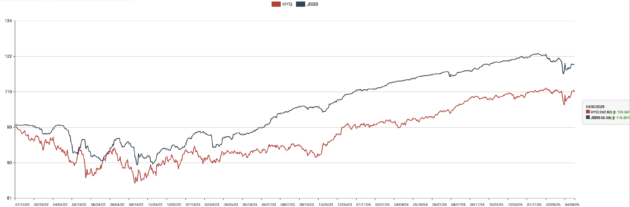
May 2025 MyPlanIQ Portfolio Update
In this issue:
- Major Asset Trends Review: International Stocks Shined and TIPS Disappointed
- Fund Analysis: All Weather Fund ALLW and CLO ETF JBBB Follow up
- Economic & Market Indicators
- Model Portfolios
- Funds to Watch
- Market Overview
-

One Fund Does It All
In this issue:
- Latest in Retirement Savings & Personal Finance: US Food & Engergy Inflation Charts, Empty Shelfs Coming? Part-time Contractors Rejoin on 401(k) Eligibility
- One Fund Does It All: Savings & Investing in 401(k) Might Not Be That Intimidating
- Tools & Tips: Retirement Spending Calculator
- Market Overview
-
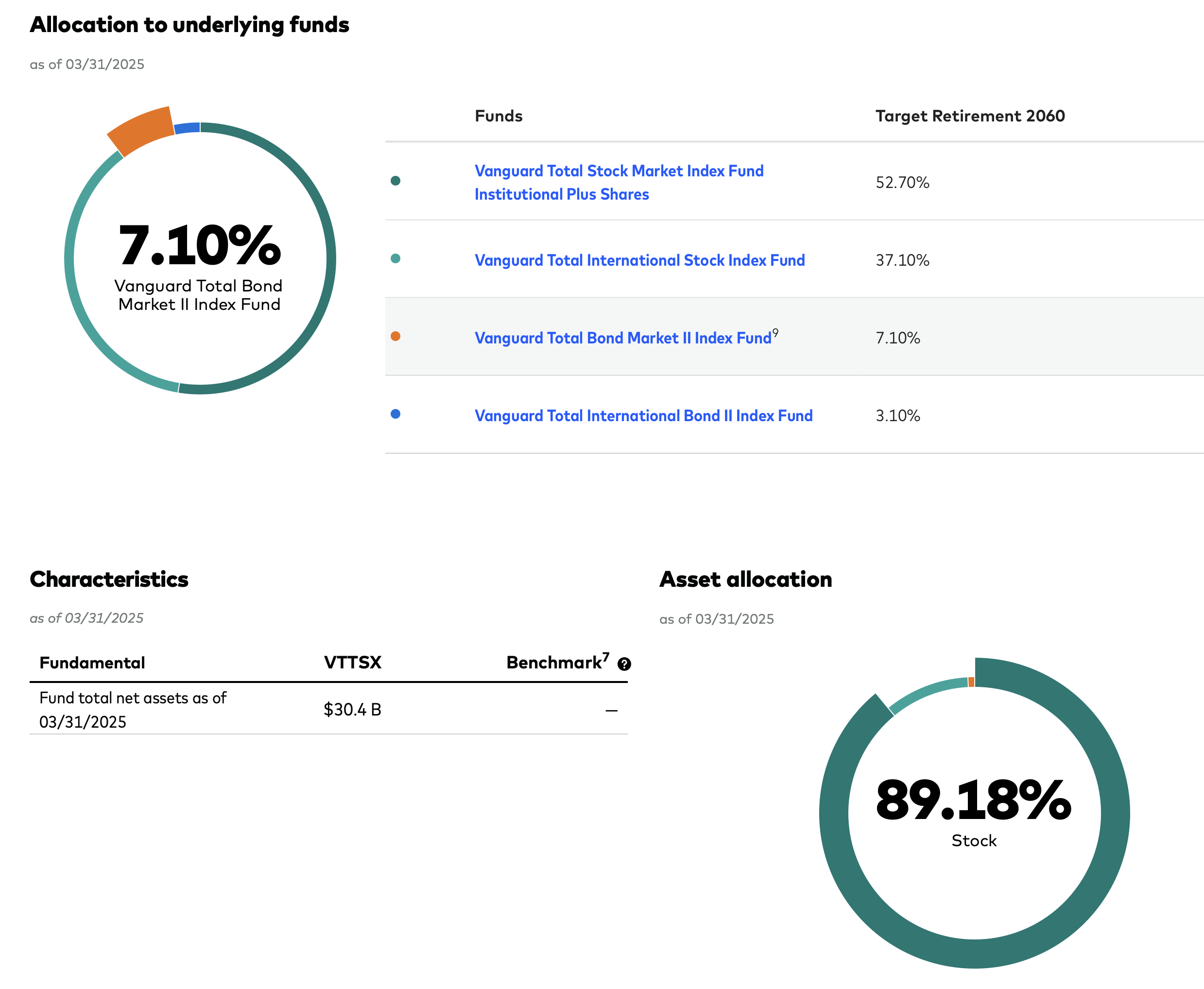
Target Date Funds for Young Professionals
We review top 9 popular target date funds for young professionnals. We look at their stock/bond allocations and recent returns.
-

Top 10 Target Date Fund Providers for Retirement Investing
Target date funds are becoming more and more popular. We review the top 10 target date fund providers and discuss index-based and actively-manged.
-
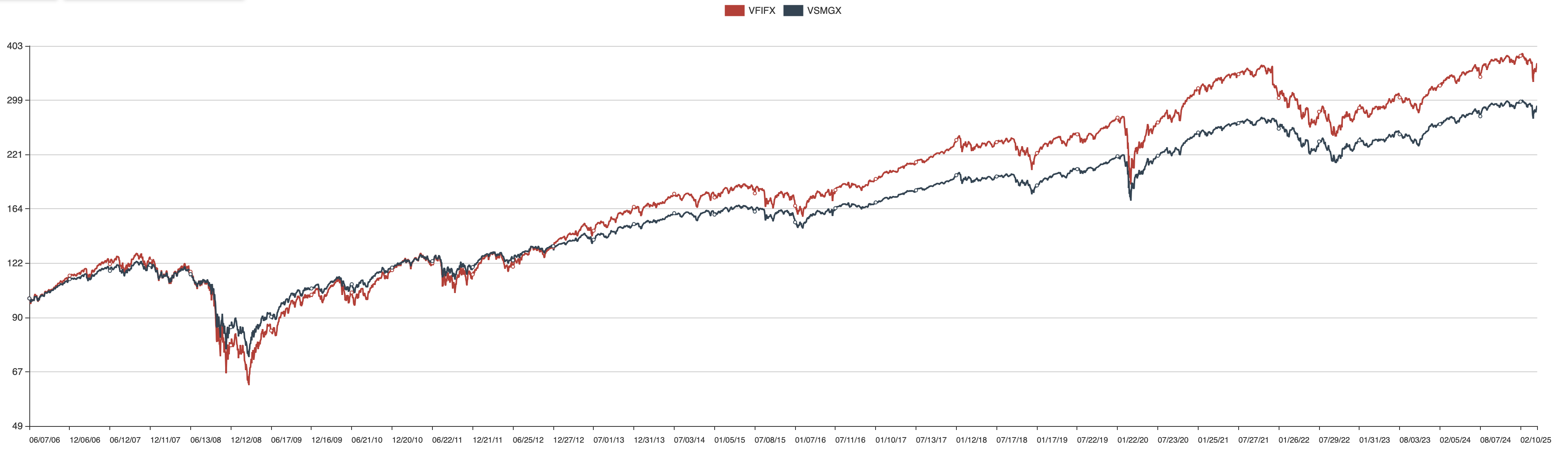
The One-Fund 401(k) Portfolio: Simple Yet Does Its Job
One-fund portfolio, either a target-date fund or just a balance index fund, does a good job for retirement plan investors who have little experience or who don’t want to mess around.
